

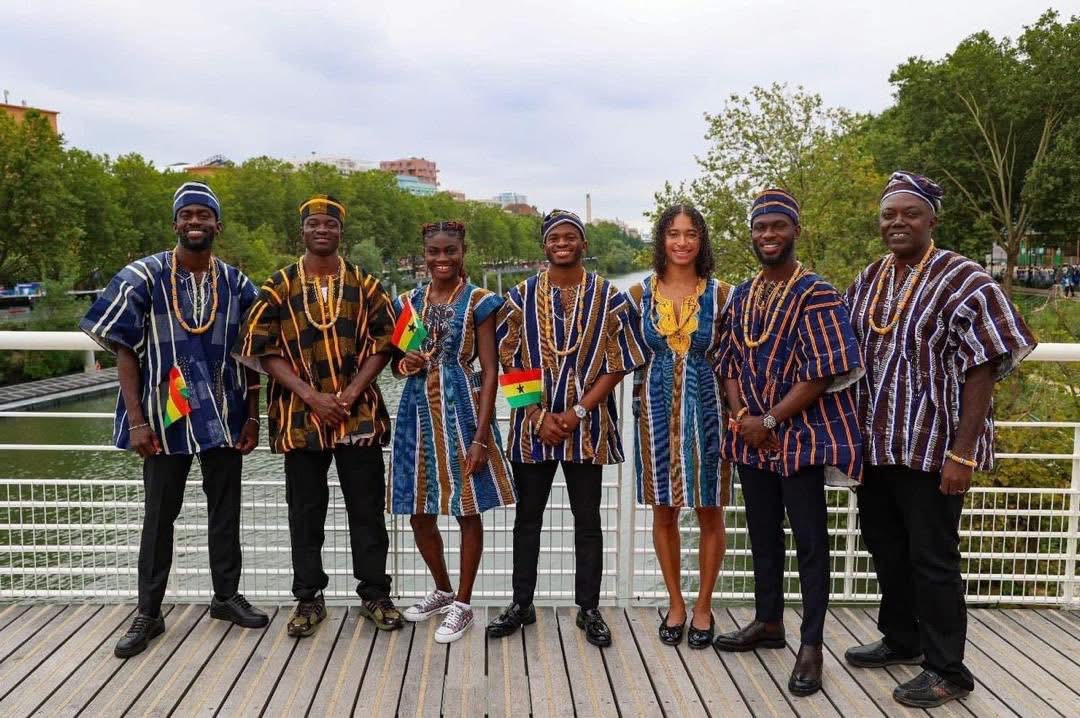
The Ministry of Tourism, Culture and Creative Arts has announced a new national cultural initiative encouraging all Ghanaians, as well as friends of Ghana both home and abroad, to dedicate every Wednesday to wearing Fugu (Batakari) in its various styles and designs.
According to the Ministry, the initiative forms part of government’s broader effort to preserve, promote, and celebrate Ghana’s rich cultural heritage while strengthening national identity and pride.
Citizens are urged to complement the traditional attire with its unique accessories to fully showcase the beauty and diversity of Ghanaian fashion.
Fugu, also known as Batakari or the traditional smock, originates from Northern Ghana and has been worn for centuries by ethnic groups such as the Dagomba, Mamprusi and Gonja.
Historically, the garment was hand-woven from thick cotton strips and often worn by chiefs, warriors and community leaders as a symbol of bravery, status and cultural identity.
Over time, it has evolved from ceremonial wear into a fashionable national outfit embraced across all regions of Ghana.
In recent years, Fugu has also gained international cultural attention, including a notable cultural exchange moment with Zambia, where the garment was showcased during regional African fashion and heritage events.
The exposure highlighted similarities between West and Southern African traditional textiles and further positioned Fugu as a recognizable symbol of Ghanaian craftsmanship on the continental stage.
Beyond cultural promotion, the government says the move is expected to bring significant social and economic benefits.
It is projected to empower local weavers, designers, artisans and traders within the textile and fashion value chain, while also creating new business and employment opportunities nationwide.
Officials believe that the collective embrace of Fugu every Wednesday will not only boost the creative arts industry but also serve as a strong symbol of unity, cultural confidence and Ghana’s self-expression on the global stage.