

Patoranking’s Heal D World is one of his most profound and socially conscious songs, a timeless piece that rises above entertainment to become a global call for peace, love, and healing. The lyrics confront the harsh realities of our time terrorism, corruption, vanity, and moral decay while reminding us of Africa’s rich cultural heritage and the urgent need to reclaim dignity and compassion. Lines such as “Boko Haram, Al-Qaeda and ISIS, how come the poor people are the nicest?” capture the paradox of suffering and kindness, while “21 look like 50 now, hatred make things shitty now” vividly illustrates how hardship prematurely ages people and erodes innocence. The chorus, with its repeated plea to “heal the world, spread love and heal the world”, is both haunting and uplifting, echoing Michael Jackson’s humanitarian anthem but rooted firmly in Patoranking’s African and reggae/dancehall identity.
What makes Heal D World stand out as one of Patoranking’s greatest works is its courage and depth. Few mainstream African artists dare to tackle issues like terrorism, corruption, false prophets, and vanity so directly. The song is timeless, resonating across generations and cultures, and it positions Patoranking not just as an entertainer but as a messenger for peace and unity. It is a bold artistic statement that blends activism with melody, making it both socially relevant and musically compelling.
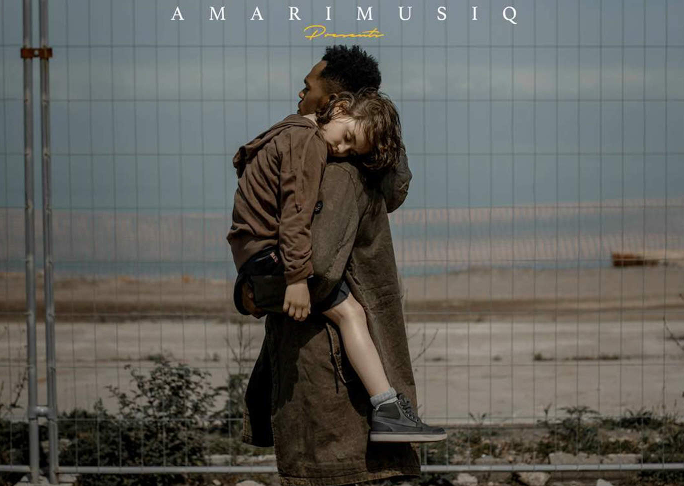
The music video reinforces this message with powerful visual storytelling. Protest scenes featuring diverse groups holding anti-war banners symbolize unity across races and nations. Patoranking walking with a child through war-damaged streets embodies innocence amidst destruction and the hope for renewal. The contrast between darkness and light, ruins and togetherness, intensifies the urgency of healing. Children are central to the video, representing the future that must be protected, while the global imagery ensures the message is universal, not confined to Nigeria alone. The cinematic techniques close-ups of emotional expressions, juxtapositions of despair and hope—make the video a visual manifesto for love and justice.
Altogether, Heal D World is more than a song; it is a cultural and political statement wrapped in melody. It should be remembered as one of Patoranking’s greatest works because it blends artistry with activism, musical craftsmanship with humanitarian depth, and situates him within the tradition of African protest music alongside voices like Lucky Dube and 2Baba. It is not just music it is a legacy piece that calls us to act, to love, and to heal. This is why Heal D World deserves recognition as one of the most important songs Patoranking has ever released, and why it continues to resonate as a timeless anthem for peace.