

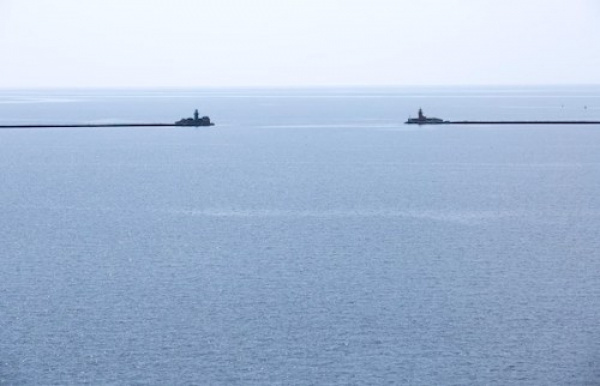
Ghana’s coastline is more than a stretch of sand and sea; it is the gateway to our fisheries, oil, trade, and cultural identity. Yet beneath the waves lies a pressing issue: the delimitation of maritime boundaries. For communities in the Volta, Central, and other coastal regions, this is not abstract geopolitics—it directly affects livelihoods, security, and tourism. Maritime delimitation is essentially drawing lines in the ocean to determine where Ghana’s jurisdiction ends and where another country’s begins. As the document explains, “maritime boundary delimitation is actually an internationally agreed mode of acquiring territorial sovereignty over maritime spaces” (p.5). Without clear boundaries, Ghana’s offshore resources—fish, oil, and gas—are vulnerable to disputes and aggressive claims.
Ghana declared its maritime zones in 1986, gaining sovereignty over about “64,000 square nautical miles of sea area” (p.8). This area is rich in fish stocks, hydrocarbons, and minerals. The fisheries sector alone supports “the livelihoods of 10 per cent of Ghana’s population” (p.8). Oil discoveries since 2007 have boosted GDP growth, with revenues projected to average “US$1 billion per year from 2011 to 2029” (p.10). For coastal communities, these resources mean jobs, food security, and infrastructure development. While Ghana resolved its maritime dispute with Côte d’Ivoire in 2017, attention now turns eastward. The paper notes, “the focus is on the resolution of the boundary delimitation with Togo” (Abstract, p.i). Togo’s narrow coastline makes negotiations complex, and geography plays a decisive role. As the International Court of Justice has ruled, “no maritime delimitation between States with opposite or adjacent coasts may be effected unilaterally” (p.6). This means Ghana and Togo must reach an agreement or seek arbitration.
Unclear boundaries create uncertainty for investors, fishermen, and local businesses. The study warns that “non-delimitated maritime boundaries placed Ghana’s offshore natural resources at risk from aggressive claims from neighbouring countries” (p.7). For communities along the Volta and Central coasts, this could mean contested fishing grounds, reduced catches, and potential restrictions on tourism development. Maritime delimitation may sound technical, but for Ghana’s coastal communities it is about sovereignty, livelihoods, and peace. The sea is our shared heritage, and drawing fair lines ensures that heritage benefits Ghanaians first.