

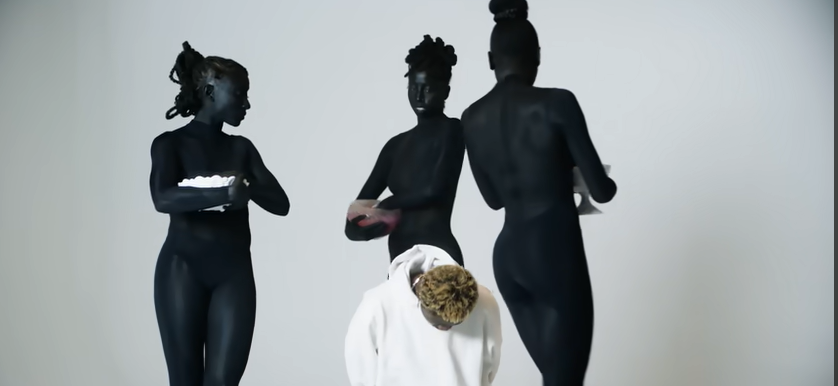
Literary Analysis: The Cry for Purgation
On a lyrical level, “Soso” is a prayer masked as a pop song. The “Soso” addressed is often interpreted as a muse, a person, or even a personification of a numbing agent (like alcohol or spirituality).
1. Themes of Guilt and Transgression
The lyrics reveal a man grappling with a moral crisis. When he sings, “Maami, I don break commandment,” he isn’t just talking about a minor mistake; he is expressing a fundamental fracture in his spirit. This suggests a Faustian struggle—the idea that he has traded his peace or his “innocence” for his success.
2. The Imagery of Water and Falling
The reference to “Water no get enemy” (a nod to Fela Kuti) is flipped on its head. While Fela used it to describe the essential nature of life, Omah Lay follows it with “’Til you fall for Oshimiri” (a Great River/Deity in Igbo cosmology). This implies that while water is life, it can also drown you. His use of “Poto poto my eyes” (muddying his vision) suggests a loss of clarity and a descent into filth or chaos.
3. Religious Allusions
The song is thick with religious imagery:
- “Touch God”: Reaching for the divine in a moment of intoxication or desperation.
- “Cut my dreadlocks”: A classic symbol of a vow, a change in identity, or a “Samson-like” moment of losing strength and seeking a fresh start.
Musical Analysis: The Rhythm of Melancholy
Musically, “Soso” is a masterpiece of contrast. It pairs a rhythmic, danceable tempo with a deeply somber vocal performance.
1. The Production (The “Pulse”)
Produced by Tempoe, the track uses a “galloping” drum pattern that feels like a heartbeat under stress. It’s hypnotic, creating a liminal space where the listener feels the urge to dance while simultaneously feeling the weight of the lyrics.
2. Vocal Delivery
Omah Lay’s delivery is breathless and weary. He uses repetition as a liturgical tool. By repeating “Soso take my pain away” dozens of times, the phrase transforms from a request into a mantra. His voice doesn’t soar; it stays low, mirroring the “high rise” and “offshore” feelings of isolation he describes.
3. Harmonic Structure
The use of minor keys and a brooding bassline reinforces the “darkness” of the track. It lacks the bright, brassy synths typical of “feel-good” Afrobeats, opting instead for a textured, atmospheric sound that feels like a humid night in Port Harcourt.
The Verdict
“Soso” is a rare piece of art that documents a mental health crisis in real-time. It moves Afrobeats into the realm of confessional poetry, proving that the genre can be as much about “the shadows” as it is about “the light.”
Key Takeaway: Omah Lay uses Soso as an altar where he lays down his sins, asking the listener—and the muse—to witness his breaking point.