

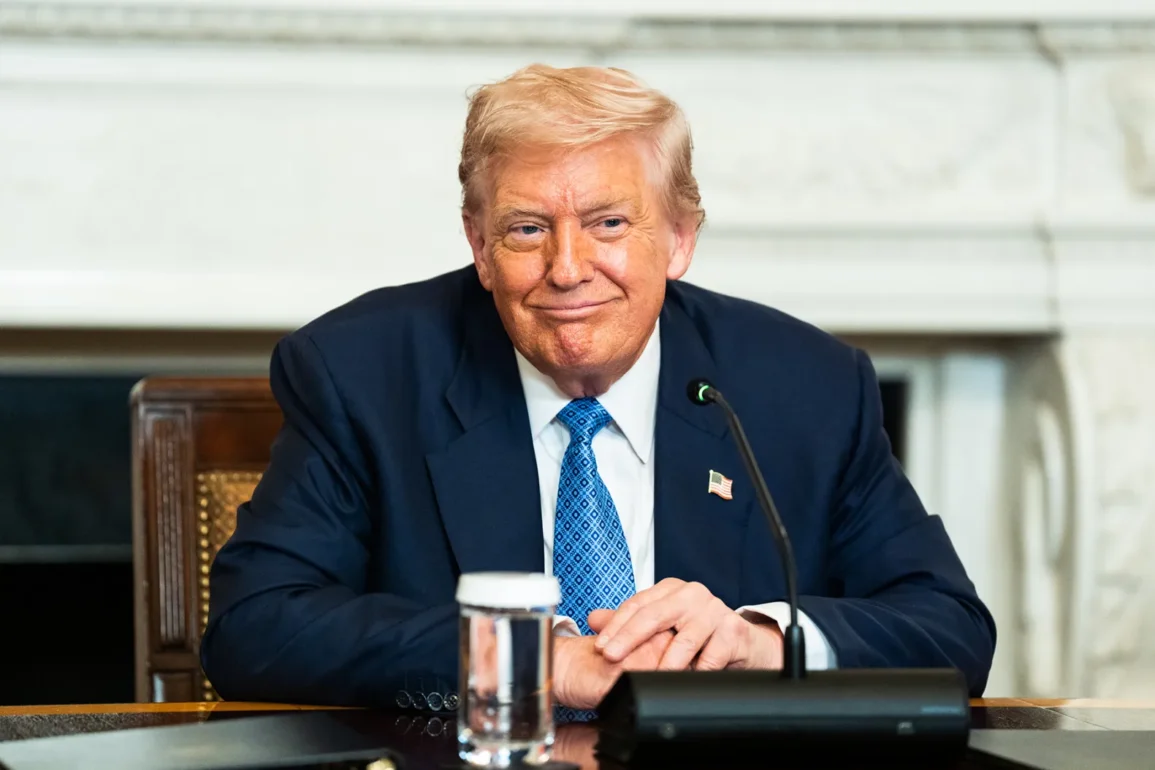
U.S. President Donald Trump has sparked global debate after suggesting he could “take Cuba” in some form, describing the Caribbean nation as “a very weakened nation” with “no money, no oil, no nothing.”
In an interview, Trump highlighted Cuba’s “beautiful land” and climate while emphasizing what he sees as an opportunity to influence the country.
The comments come as Cuba grapples with severe economic challenges, widespread power outages, and shortages of basic goods, partly attributed to long-standing U.S. sanctions and a blockade on oil imports.
The island’s socialist government, led by President Miguel Díaz-Canel, continues to face pressures on infrastructure, tourism, and public services.
Historically, Cuba has been a focal point of U.S.-Cuba tensions since the 1959 revolution, which brought Fidel Castro to power and aligned the country with the Soviet Union.
The 1962 Cuban Missile Crisis brought the world to the brink of nuclear war, cementing decades of fraught relations, including the enduring U.S. economic embargo.

Trump’s remarks have drawn international reactions, with Russia reaffirming support for Cuba, while observers caution that such statements risk inflaming geopolitical tensions.
Analysts note that while Trump’s comments were rhetorical, they underscore ongoing global scrutiny of Cuba’s economic and political vulnerabilities.