

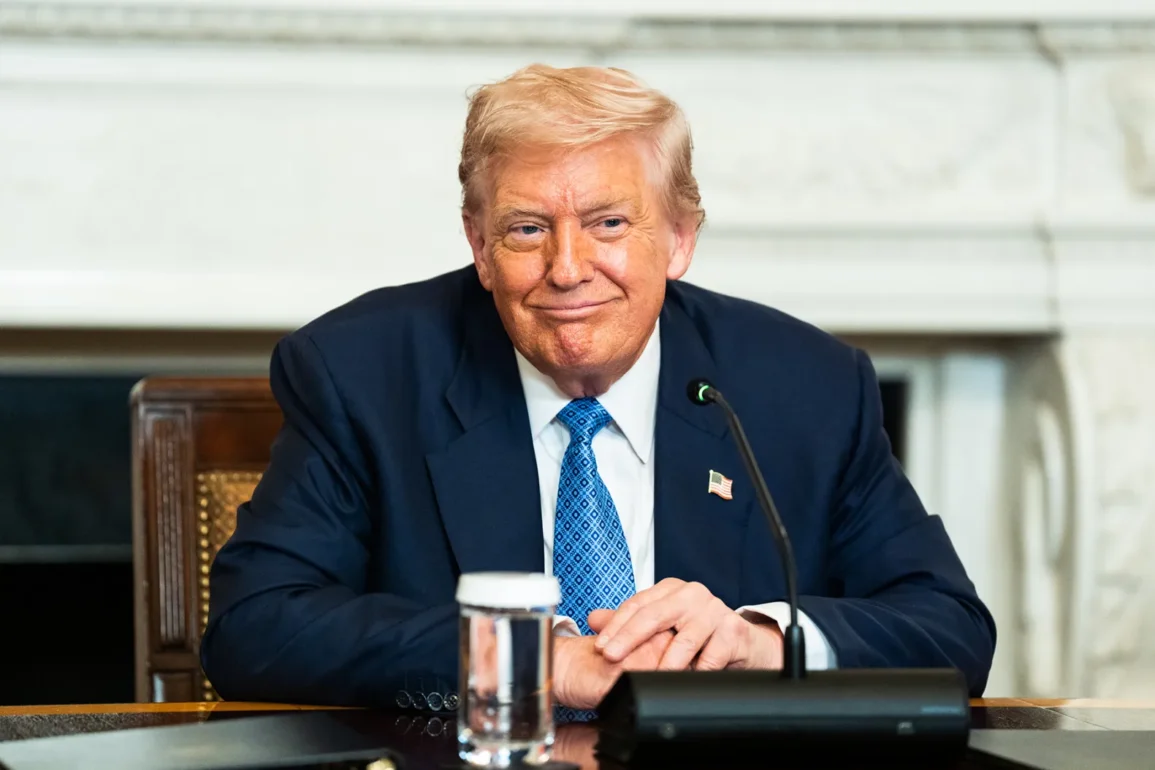
U.S. President Donald Trump has dramatically escalated trade tensions with Canada by threatening to impose a 100 % tariff on Canadian imports if Ottawa moves ahead with a new trade arrangement involving China, a move that could reshape economic relations between two of the world’s most integrated economies, according to multiple international news sources.
In a series of posts on his social media platform, Trump warned that if Canada finalises what he described as a trade deal with Beijing, the United States would immediately hit Canadian goods with a full 100 % tariff.
Trump wrote that Canada risks becoming what he called a “drop-off port” for Chinese products entering the U.S. market, and added that such a situation would allow China to “eat Canada alive,” threatening the country’s businesses, social fabric and general way of life.
The comments marked a sharp escalation in rhetoric between the two leaders, who have already expressed public disagreements in recent months.
The threat follows an announcement from Canada earlier this month in which Ottawa said it had reached an agreement with China to lower tariffs on Chinese-made electric vehicles entering Canada, while Beijing agreed to reduce duties on certain Canadian agricultural exports.
Trump initially appeared to welcome parts of the move, suggesting that diversified trade could benefit Canada, but tensions rose sharply after Canadian Prime Minister Mark Carney gave a forceful speech at the World Economic Forum in Davos, Switzerland.
In that speech, Carney criticised what he described as coercive economic tactics by major powers and called for greater cooperation among middle‑power nations, comments interpreted in some circles as a rebuke of U.S. policy.
Trump reacted by rescinding Canada’s invitation to join an initiative he calls the “Board of Peace,” and his social media posts in recent days reflected growing frustration with the Canadian government’s approach.
Trump’s remarks, including a previous claim that “Canada lives because of the United States,” were sharply rejected by Carney, who responded that Canada “thrives because we are Canadian,” underscoring the widening diplomatic divide between the two countries.
Economists and trade experts say a 100 % tariff on Canadian imports would be unprecedented and could have far‑reaching consequences for both economies. Canada is one of the largest sources of U.S. imports, supplying energy products, vehicles, machinery, metals and other critical goods.
Daily trade between the two countries amounts to hundreds of millions of dollars, making Canada one of the United States’ top trading partners. A tariff of the magnitude threatened by Trump could sharply raise costs for U.S. businesses and consumers, disrupt intertwined supply chains and unsettle global markets.

Despite the dramatic language, analysts note that no new tariff law has been enacted and that significant legal and political hurdles would need to be cleared before such a policy could take effect.
Canadian officials have sought to minimise the impact of Trump’s warnings, emphasising that the recent agreement with China addresses specific tariffs rather than constituting a broad free‑trade pact.
Ottawa has reiterated its commitment to the United States–Mexico–Canada Agreement (USMCA) as the cornerstone of North American trade, while also saying it will pursue diversified economic partnerships that support Canadian industries.
Observers say the episode highlights the challenges faced by middle‑power nations like Canada in balancing long‑standing economic ties with the United States against opportunities for expanded trade in Asia and elsewhere, especially amid intensifying geopolitical competition between Washington and Beijing.
As of this reporting, Trump’s tariff threat remains largely rhetorical, with no formal policy announced, but it has already drawn international attention and raised new questions about the future of Canada–U.S. trade relations and the broader global trading system.